Hertog War Studies Program
Learn How to Evaluate Military Decision making
The Hertog War Studies Program is an intensive two-week seminar hosted by the Institute for the Study of War in partnership with the Hertog Foundation in Washington, DC. Designed for advanced undergraduate students, the program explores the theory, practice, organization, and oversight of warfare and military forces.
The curriculum features rigorous readings on military theory, history, operations, and contemporary conflicts. Students examine how historical case studies illuminate enduring questions, such as the impact of new technologies on warfare, the appropriate role of political leadership in military decisions, and the ethical dilemmas inherent in combat.

THE HERTOG
WAR STUDIES PROGAM
Learn more about ISW’s cornerstone education program from the students and faculty.
Hertog War Studies Program
FACULTY
The faculty of the Hertog War Studies Program are leading experts in military history and contemporary military operations. Together, they guide the intensive two-week seminar, providing students with a comprehensive education on the theory and practice of warfare—from the Napoleonic era to emerging trends shaping the future of conflict.
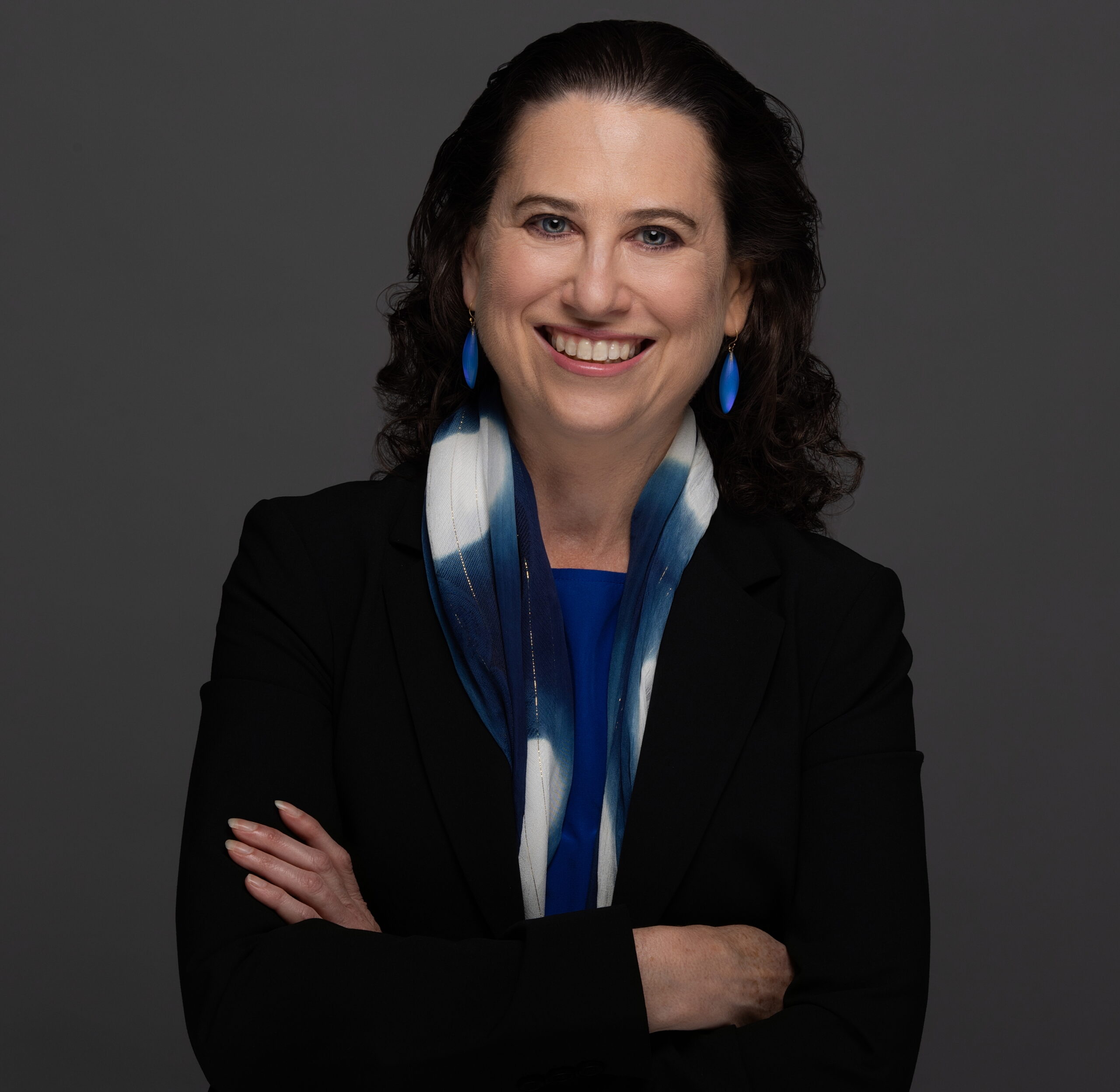
Kimberly Kagan
ISW Founder & President
Dr. Kimberly Kagan is a military historian and expert on Russia’s invasion of Ukraine, military innovation, and the post-9/11 wars in Afghanistan and Iraq. She is the founder and president of the Institute for the Study of War, recognized for its real-time analysis of Russia’s War in Ukraine, Middle East conflicts, and China-Taiwan tensions. Under her leadership, ISW became the world’s most cited foreign policy think tank in 2022 and 2023. She has advised senior U.S. military leaders and received the Distinguished Public Service and Fed100 awards.
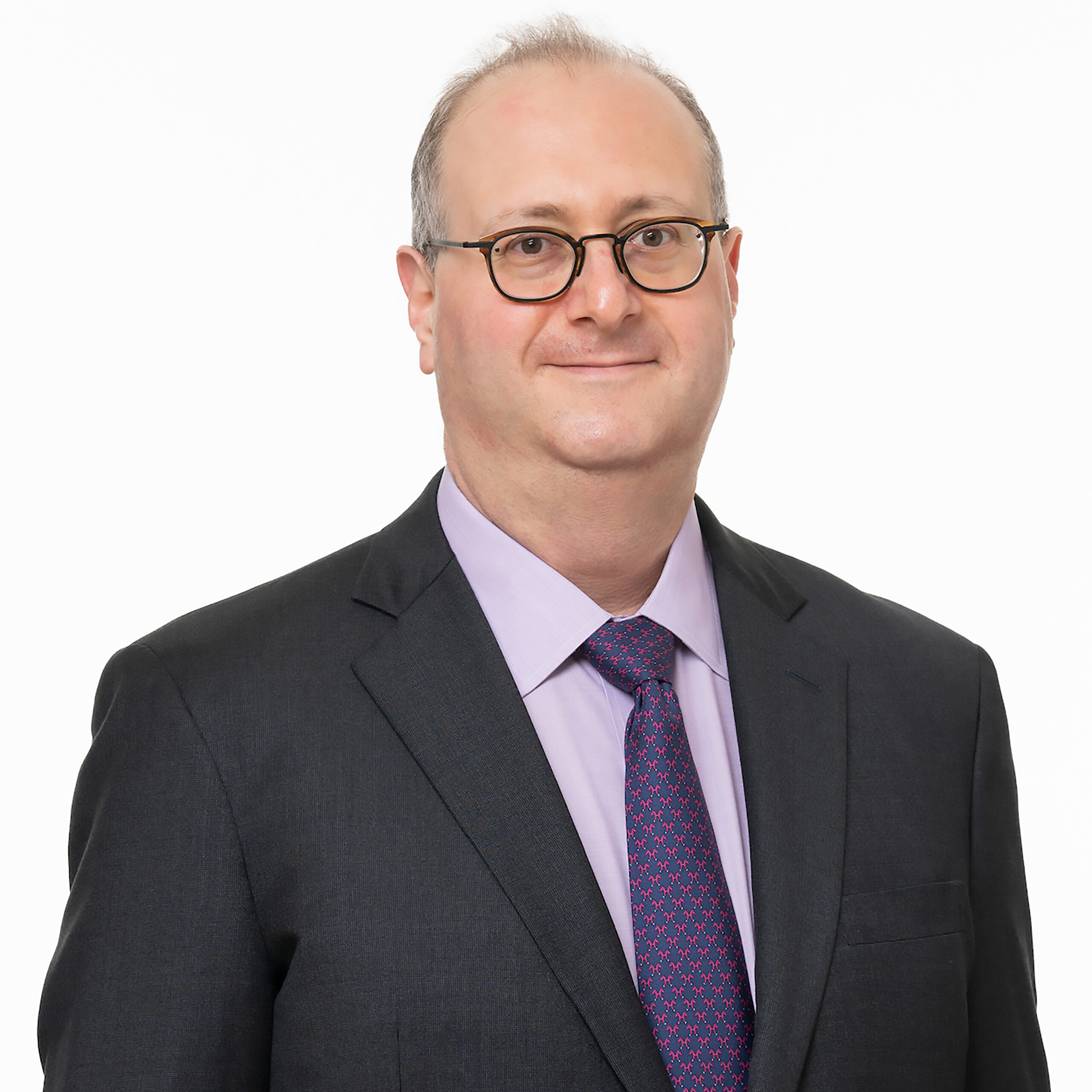
Frederick Kagan
Director, AEI’s Critical Threats Project
Dr. Frederick W. Kagan is the Director of the American Enterprise Institute’s Critical Threats Project. He has served as an advisor to multiple four-star commanders in Iraq and Afghanistan. The author of the 2007 report “Choosing Victory: A Plan for Success in Iraq,” he is one of the intellectual architects of the successful “surge” strategy in Iraq.

Brian Babcock-Lumish
Recanati-Kaplan Chair & Director, General David H. Petraeus Center for Emerging Leaders
Brian Babcock-Lumish is the Recanati-Kaplan Chair and Director of the General David H. Petraeus Center for Emerging Leaders at the Institute for the Study of War. Prior to joining the Institute, he served as a US Army military intelligence officer, retiring after 24 years in uniform.
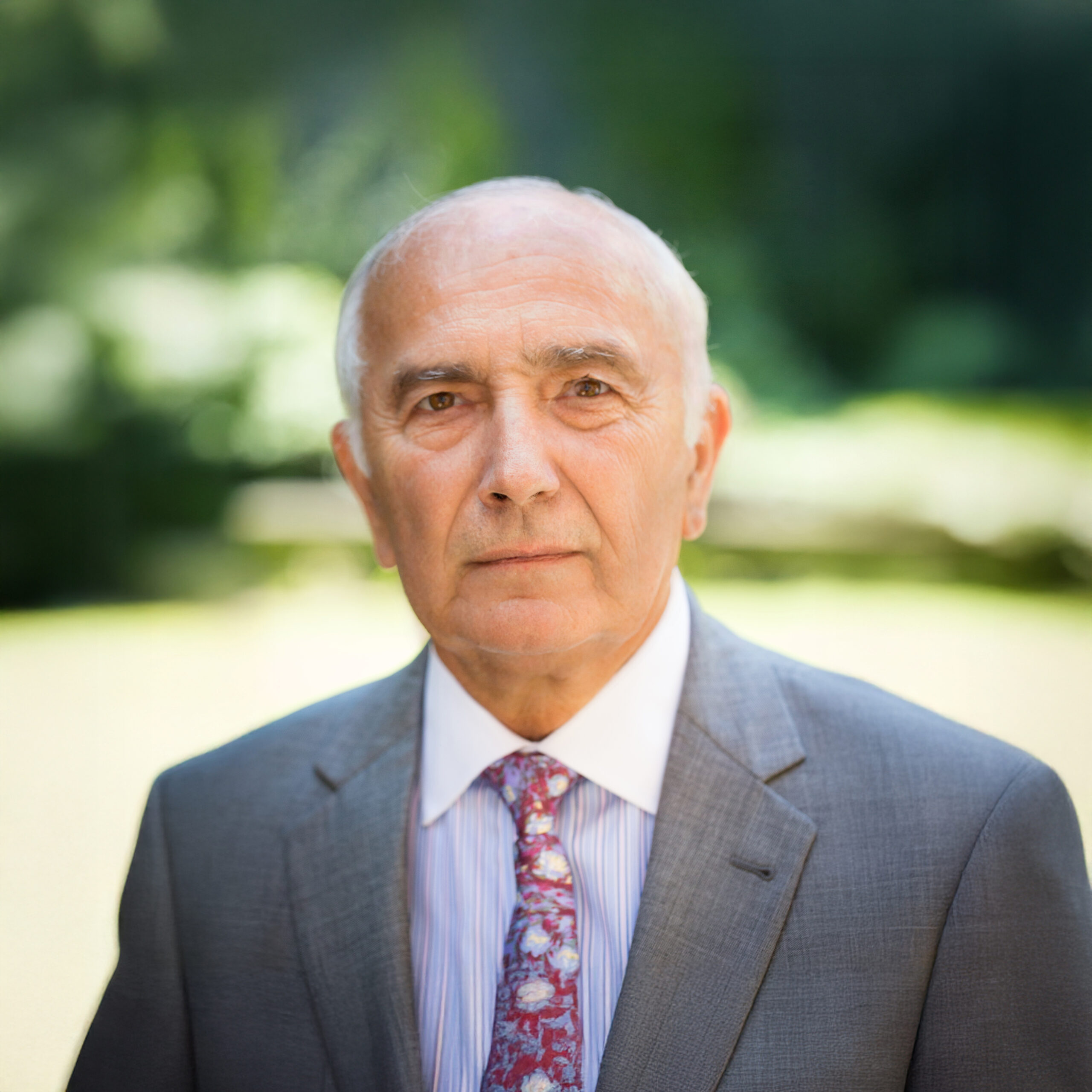
Lieutenant General James Dubik
(US Army, Retired)
ISW Senior Fellow
Lieutenant General James M. Dubik (U.S. Army, Retired) is a Senior Fellow at the Institute for the Study of War. General Dubik commanded the Multi-National Security Transition Command-Iraq, as well as I Corps. He has extensive operational experience in Iraq, Afghanistan, Japan, Korea, Thailand, Bosnia, Haiti, Panama, and in many NATO countries.

General John Allen
(US Marine Corps, Retired)
Microsoft
General John R. Allen (USMC, Retired) commanded the International Security Assistance Force in Afghanistan. He also served as a senior advisor to the Secretary of Defense on Middle East security and special presidential envoy to the Global Coalition to Counter ISIL. He is currently a senior advisor to Microsoft.
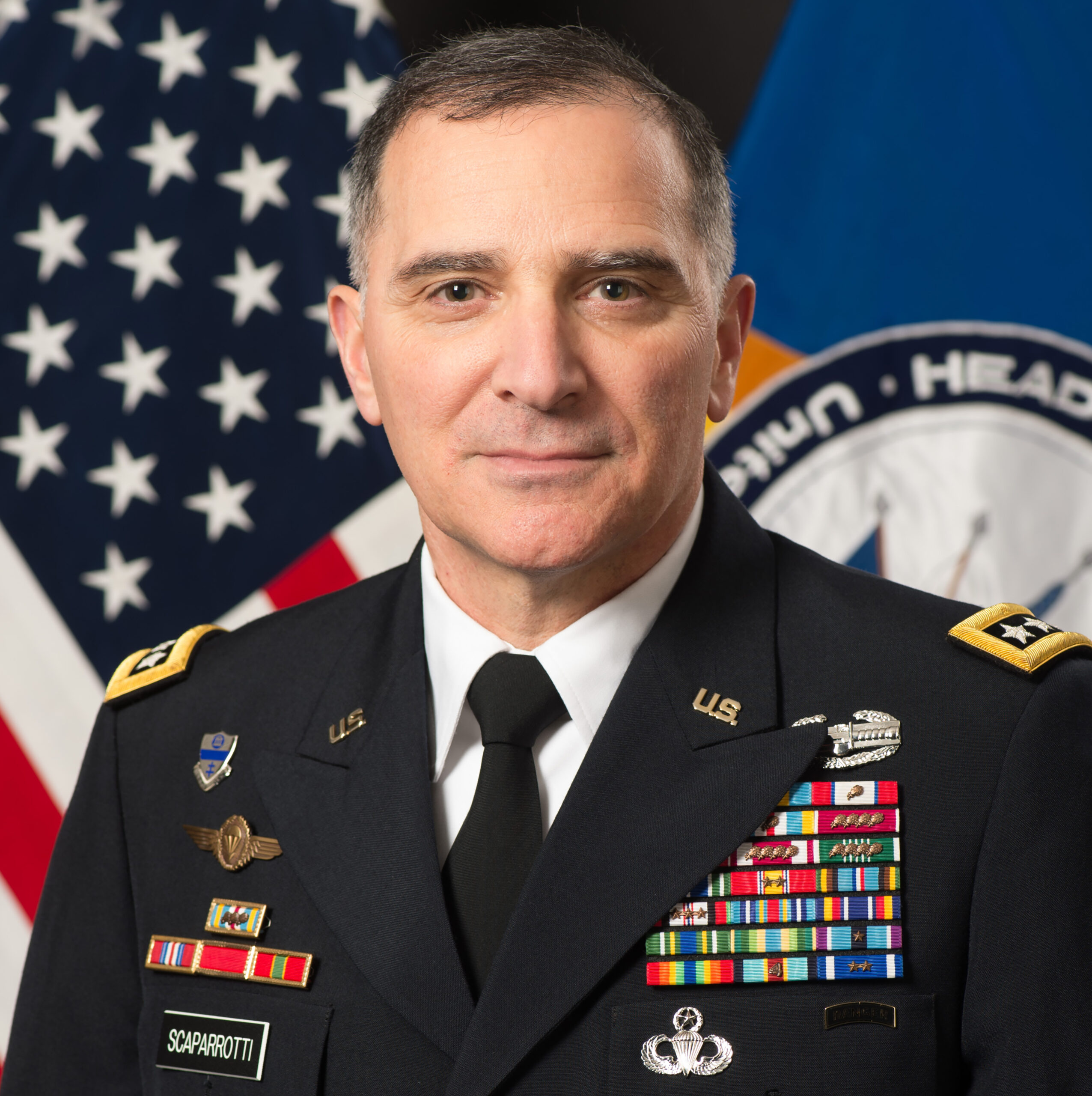
General Curtis Scaparrotti
(US Army, Retired)
Cohen Group
General Curtis Scaparrotti (US Army, Retired) served as the Supreme Allied Commander, Europe and Commander of US European Command. He also served as the director of the Joint Staff and as the Commander, United Nations Command / Combined Forces Command / United States Forces Korea. He is currently a senior counselor at the Cohen Group.
Hertog War Studies Program
SPEAKERS
The guest speakers for the Hertog War Studies Program each join for a portion a day of the program to share their subject matter expertise on contemporary military and national security challenges, whether from their service in uniform or as scholars on contemporary security challenges.
Dan Blumenthal
AEI Senior Fellow
Dan Blumenthal is a senior fellow at the American Enterprise Institute, where he focuses on East Asian security issues and Sino-American relations. Mr. Blumenthal has served in and advised the US government on China issues for more than a decade.
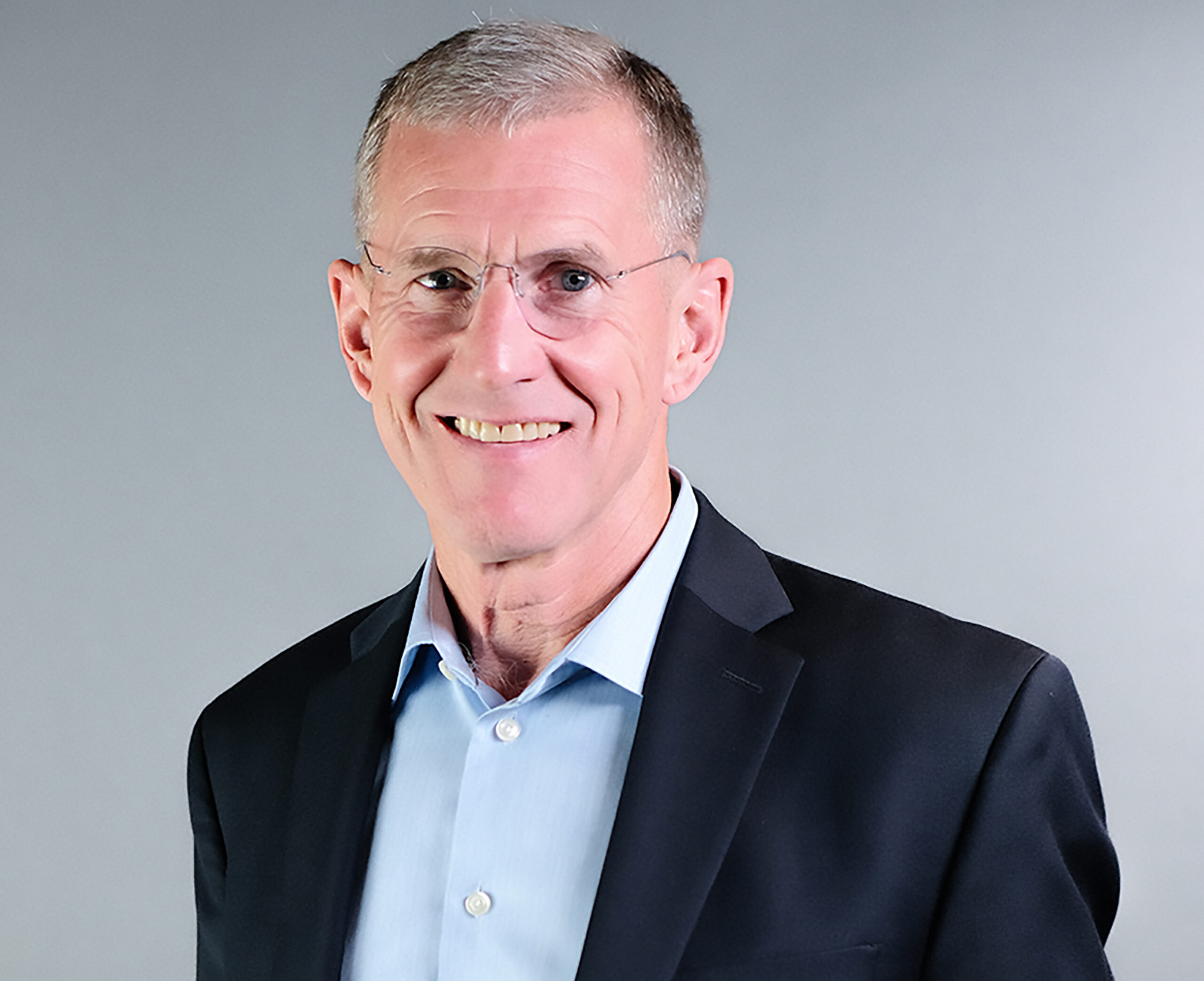
General Stanley McChrystal
(US Army, Retired)
McChrystal Group
General Stanley McChrystal is the former commander of the International Security Assistance Force in Afghanistan and the nation’s premier military counter-terrorism force, Joint Special Operations Command. He is the founder and CEO of the McChrystal Group.
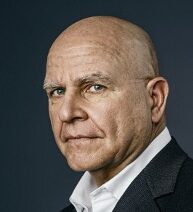
Lieutenant General H.R. McMaster
(US Army, Retired)
Hoover Institution
Lieutenant General H. R. McMaster (US Army, Retired) served as the 26th assistant to the president for National Security Affairs, the culmination of 34 years in uniform. He is currently the Fouad and Michelle Ajami Senior Fellow at the Hoover Institution, Stanford University.
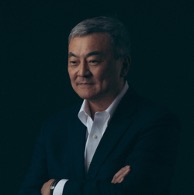
Lieutenant General Michael Nagata
(US Army, Retired)
CACI
Lieutenant General Michael K. Nagata (US Army, Retired) served 38 years in uniform, culminating as the Director of Strategic Operational Planning for the National Counterterrorism Center. He commanded Special Operations Command Central after serving nearly his entire career in special operations units. He is currently a Senior Vice President and Strategic Advisor for CACI International.

General David H. Petraeus
(US Army, Retired)
KKR
General David H. Petraeus (US Army, Retired) is a Partner at KKR and Chairman of the KKR Global Institute. Prior to joining KKR, Gen. Petraeus served over 37 years in the US military, culminating his career with six consecutive commands, five of which were in combat, including command of coalition forces during the Surge in Iraq, command of U.S. Central Command, and command of coalition forces in Afghanistan.

Major General Mick Ryan
(Australian Army, Retired)
CSIS
Major General Mick Ryan (Australian Army, Retired) served 35 years in uniform, commanding from platoon through brigade level with operational deployments in East Timor, Iraq, and Afghanistan. He is an adjunct fellow at the Center for Strategic and International Studies in Washington DC, a non-resident fellow of the Lowy Institute in Sydney, and an Adjunct Professor at the University of Queensland in Brisbane, Australia.

The War Studies Program took me beyond being a foreign policy hobbyist. What most stood out to me was the War Studies instructors’ uncompromising approach to intellectual honesty. Every idea would be subject to intense scrutiny and every theory would be applied to unusual and difficult test cases. We discussed what Clausewitz would say about the Gulf War air campaign or the Russian Deep Battle doctrine.
Jakub Urda | Litigation Associate, Sullivan & Cromwell LLP
…it has produced a huge number of individuals who have gone on to contribute very substantially in a whole host of different fields in a number of different forms, whether it’s in government service, in the executive branch, the branch on Capitol Hill, in the broader space, think tanks, other policymaking bodies and so forth internationally.
General David H. Petraeus | Us army, retired
Who Should Apply
The Hertog War Studies Program relies on students’ broad educational background. We will consider graduating seniors (Class of 2026), rising seniors (Class of 2027) and exceptional rising juniors (Class of 2028). Rising sophomores should consider other Hertog programs. Applicants should have a GPA of 3.7 or higher.
War Studies is an interdisciplinary program, and we seek applicants from many disciplines, not just history, political science, or international relations. Successful past participants have also majored in philosophy, math, computer science, engineering, biology, chemistry, physics, literature, foreign languages, political theory, classics, and psychology.
Application Requirements
- A CV or résumé
- College transcript
Unofficial - Personal Statement
Why do you want to attend the Hertog War Studies Program? Describe your background, your intellectual interests, and your future ambitions as they relate to the War Studies Program (1,000 words or less) - Academic writing sample
20 pages maximum — Send your best writing sample, not your most relevant writing sample. - Two academic letters of recommendation that specifically speak to your background and interests as they relate to the program.
Continue Learning with ISW
Advancement Opportunities
The Advanced Programs build on the foundation of the summer seminar, offering deeper exploration of both historical and contemporary military topics. These programs bring together alumni from across different cohorts, fostering a strong intellectual community grounded in shared experience and learning.
Advanced War Studies Programs include both classroom-based seminars in Washington, DC, and immersive, military-style staff rides conducted on historic battlefields. These experiences range from sites of the American Revolutionary and Civil Wars to international locations such as Britain and France, including a D-Day staff ride along the beaches of Normandy.
Past Advanced Programs
Intelligence and leadership played a crucial role in shaping the success of Operation Overlord. Through visits to the Churchill War Rooms and Bletchley Park in London, Operation Overlord: From Planning to Execution examined the political and strategic context surrounding the planning of the Allied invasion of Nazi-occupied France. Participants then traveled to Normandy, France, where they studied the invasion’s objective across the tactical, operational, strategic, and grand strategic levels of war. On-site discussions took place at key locations, including Omaha Beach, Rommel’s headquarters, and the outskirts of Paris, allowing participants to assess the beginning of the Wehrmacht’s collapse in Western Europe. The experience concluded with a solemn wreath-laying ceremony at the American cemetery overlooking Omaha Beach.
War consumes lives—it ends some and irreversibly alters others. This truth affects not only combatants but also civilians caught in the crossfire, families who send loved ones to fight, and the political communities that wage war on their behalf.
The Moral Landscape of War engaged participants in deep ethical reflection on the human cost of war by examining two foundational moral questions: What justifies asking citizens to risk their lives in war—and what justifies resorting to the killing and destruction war entails? Can the violence of war be limited or contained—and if so, how?
By confronting these questions, participants were challenged to think critically about the responsibilities of military and civilian leaders, the ethical constraints of war, and the broader consequences of armed conflict.
The Civil War Overland Campaign, 1864-65 is a four-day staff ride following General Ulysses S. Grant’s critical Overland Campaign, the siege of Petersburg, and the final campaign before General Robert E. Lee’s surrender at Appomattox. Beginning at the Wilderness Battlefield, participants analyze the political and strategic context of each engagement, explore objectives across the tactical, operational, strategic, and grand strategic levels of war, and assess the consequences of key decisions made by Union and Confederate leaders.
Generalship introduced students to the concept of generalship by examining key military leaders and campaigns across different historical eras. Topics included: Generalship in the American Civil War, with a focus on the 1864–65 campaigns and President Lincoln’s role at the national level; Generalship in World War II, including the North Africa campaigns and the partnership between General Marshall and President Roosevelt; Generalship during the Iraq War Surge, analyzing the main counteroffensive, supporting efforts to defeat al-Qaeda in Iraq (AQI), and the roles of General Petraeus, Ambassador Crocker, and President George W. Bush. Through these case studies, students explored how senior military leaders operate at the intersection of strategy, politics, and operations.
US Civil-Military Relations in the 20th Century explored the theory and practice of civil-military relations throughout the 20th century. Students examined the civic, ethical, and legal foundations of civilian control over the military, the evolving dynamics between commanders and presidents, and the institutional roles of Congress in shaping military policy. The course also considered how these relationships—and the broader system of democratic oversight—affect the success or failure of military operations.
Vladimir Putin has employed a range of capabilities and tactics—individually and in concert—to advance Russia’s strategic objectives. Russian Hybrid Warfare, examined the use of information and cyber operations, conventional and unconventional military force, proxy warfare, and irregular tactics such as assassinations, provocations, and disinformation campaigns.
The course placed particular focus on Ukraine and Russia’s actions before and after the Euromaidan revolution. Students assessed whether these diverse activities can be meaningfully understood within a single conceptual framework, such as “hybrid warfare,” or whether they are better analyzed in distinct terms and through their interconnections.
At its core, the course grappled with a fundamental question: Where does war begin and end in the context of a state’s broader foreign and national security strategy?
The Ideology and Strategy of Al Qaeda and ISIS introduced students to major intellectual discussions underpinning the Salafi-jihadist ideology of al Qaeda and ISIS while exploring the differences between the two groups in December 2016.
Soviet operational art—its theory, doctrine, and execution—is contrasted with the German blitzkrieg approach to warfare. Students explored the ideological foundations and practical influences that shaped Soviet military thought and gained a deeper understanding of how theory translated into battlefield practice.
In addition to its theoretical focus, the course introduced key moments in Russian military history, providing essential context for understanding Russia’s contemporary actions, including the annexation of Crimea and ongoing operations in Ukraine.
war studies
fellowships
War Studies Fellowships invest in the early development of emerging national security scholars. Building on the foundation laid in the Hertog War Studies Program, these fellowships provide an opportunity for fellows to deepen their expertise on the most pressing national security challenges facing the United States and its allies.


